

Inside a Screen Printing Studio: Understanding the Screen Printing Process

When you want custom apparel or promotional items, knowing how the screen printing process works can help you make better decisions. I’ve spent time inside a screen printing studio and learned what goes into creating high-quality prints. This post breaks down the key steps, equipment, and options you should know about. Whether you want a few shirts or a large order, understanding the process helps you get exactly what you need.
What Happens in the Screen Printing Process
Screen printing is a method where ink is pushed through a mesh screen onto fabric or other materials. It’s popular because it produces vibrant, durable designs. Here’s a simple overview of the steps involved:
Design Preparation
The design is created digitally. It needs to be separated by color since each color requires its own screen.
Screen Creation
A fine mesh screen is coated with a light-sensitive emulsion. The design is transferred onto the screen using UV light, hardening the emulsion except where the design blocks it. This creates a stencil.
Setup
The screen is placed on a press. The item to be printed, like a t-shirt, is positioned underneath.
Printing
Ink is applied to the screen and pushed through the open areas of the stencil with a squeegee. This deposits the ink onto the fabric.
Curing
The printed item is heated to cure the ink, making it permanent and washable.
Each step requires attention to detail. For example, the mesh count of the screen affects how much ink passes through, which changes the print’s look. The curing temperature and time must be just right to avoid cracking or fading.
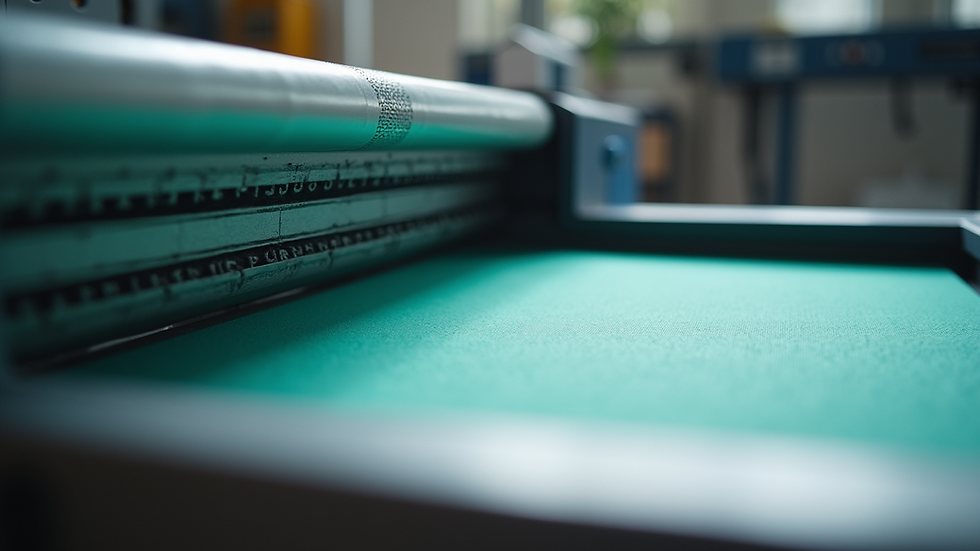
Close-up view of a screen printing press showing the mesh screen and squeegee ready for printing
Key Equipment in a Screen Printing Studio
A typical screen printing studio has several essential pieces of equipment. Knowing these helps you understand the process and what to expect when ordering custom prints.
Screen Printing Press
This can be manual or automatic. Manual presses require the operator to pull the squeegee by hand. Automatic presses speed up production and improve consistency.
Exposure Unit
Used to transfer the design onto the screen by exposing the emulsion to UV light.
Drying and Curing Equipment
Conveyor dryers or flash cure units heat the ink to set it permanently.
Washout Station
After exposure, the screen is washed to remove unexposed emulsion, revealing the stencil.
Ink and Supplies
Plastisol and water-based inks are common. Plastisol is durable and vibrant, while water-based inks are softer and more eco-friendly.
Heat Press (Optional)
Sometimes used for applying heat transfers or curing inks.
Each piece of equipment plays a role in producing quality prints. For example, a well-maintained exposure unit ensures sharp, clean stencils. A reliable dryer prevents ink from washing out or cracking.
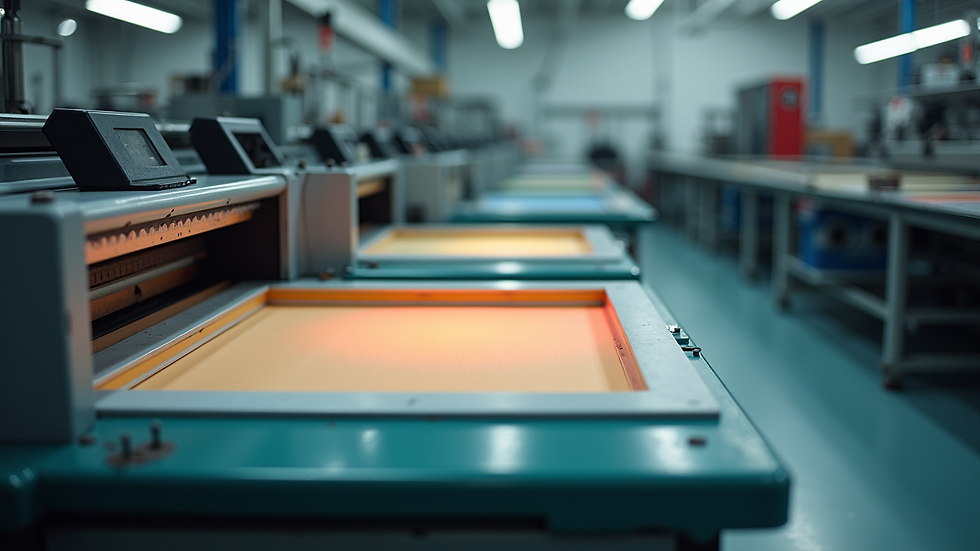
High angle view of a multi-color screen printing press ready for production
Print on Demand Services: A Flexible Option
Not every project requires bulk orders or owning equipment. Print on demand (POD) services offer a flexible alternative. Here’s how they work and why they matter:
No Inventory Needed
You upload your design, and the POD provider prints and ships items as orders come in.
Low Risk
Since you don’t buy in bulk, you avoid leftover stock.
Wide Product Range
POD services often offer apparel, mugs, bags, and more.
Easy to Start
Great for testing designs or small runs without upfront costs.
While POD might not match the quality or customization of traditional screen printing, it’s a practical choice for many businesses and individuals. It also complements screen printing by handling smaller or one-off orders.
Choosing Sustainable Options in Screen Printing
Sustainability is becoming a priority for many customers. Luckily, screen printing can be eco-friendly if done right. Here are some ways studios reduce their environmental impact:
Water-Based Inks
These inks use fewer chemicals and produce softer prints.
Recycling Screens and Materials
Some studios reclaim screens and recycle excess ink.
Energy-Efficient Equipment
Using modern dryers and presses reduces power consumption.
Sustainable Fabrics
Printing on organic cotton or recycled polyester supports eco-conscious choices.
When you work with a studio that values sustainability, you get quality prints and help reduce waste. It’s a win-win for your brand and the planet.
How to Get the Best Results from Your Screen Printing Order
To ensure your custom apparel or promotional items turn out great, keep these tips in mind:
Provide High-Quality Artwork
Use vector files or high-resolution images. Clear, simple designs print better.
Limit Colors When Possible
Each color adds cost and complexity. Fewer colors mean faster turnaround and lower price.
Choose the Right Fabric
Cotton and cotton blends work best for screen printing.
Ask About Ink Types
Decide between plastisol for durability or water-based for softness and eco-friendliness.
Plan Ahead
Screen printing takes time for screen preparation and curing. Allow at least 1-2 weeks for production.
Request Samples
If possible, get a sample print to check colors and quality before a full run.
By following these steps, you’ll get professional results that last and look great.
Building Long-Term Partnerships with Your Screen Printing Studio
Working with a local screen printing studio means more than just placing orders. It’s about building a relationship that benefits your business or organization over time. Here’s why it matters:
Consistent Quality
A trusted partner understands your brand and delivers reliable results.
Better Pricing
Repeat customers often get discounts or priority service.
Customized Solutions
Studios can suggest the best materials, inks, and techniques for your needs.
Sustainability Support
Partners can help you choose eco-friendly options that align with your values.
Responsive Service
Local studios respond faster and communicate clearly.
If you want to grow your brand with custom apparel or promotional items, investing in a strong partnership pays off.
Understanding the screen printing process and the options available helps you make smart choices for your custom apparel needs. Whether you want to order in bulk or try print on demand, knowing what happens inside a screen printing studio gives you confidence. Focus on quality artwork, sustainable choices, and building a good relationship with your printer. That way, your designs will look great and last long, helping your brand stand out.

Comments