

Mastering the Art of Screen Printing

Updated: Apr 2
Screen printing is a powerful way to create custom apparel that stands out. Whether you want to promote your brand, outfit your team, or create unique gifts, mastering the screen printing process can make a big difference. I’ve worked with many businesses and individuals who needed decorated apparel, and I’ve learned what works best. In this post, I’ll walk you through the essentials of screen printing, share practical tips, and explain how print on demand services can simplify your projects.
Understanding the Screen Printing Process
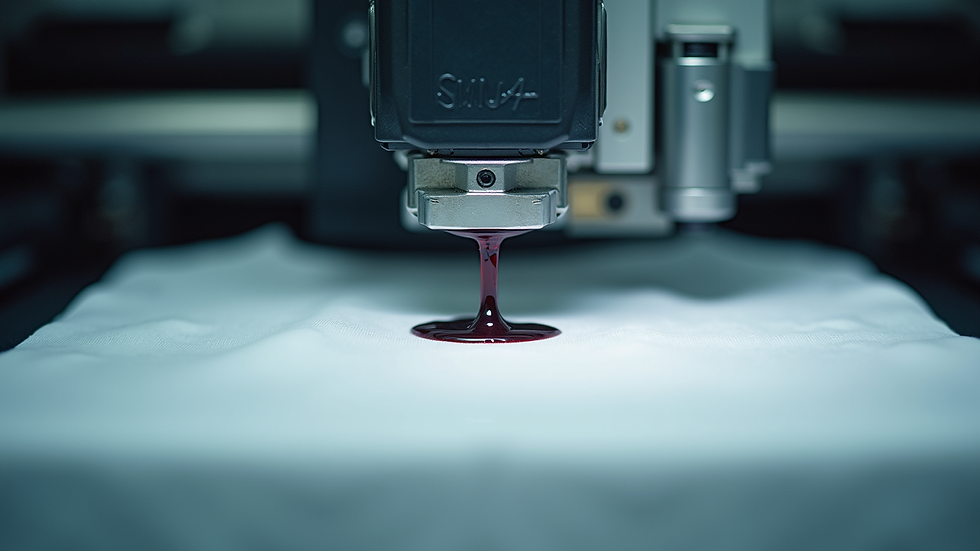
Screen printing is a method where ink is pushed through a mesh screen onto fabric or other materials. It’s popular because it produces vibrant, durable designs that last through many washes. The process starts with creating a stencil, called a screen, which blocks out areas where ink should not pass.
Here’s a quick breakdown of the steps:
Design Preparation - Create a high-contrast design. Simple shapes and bold colors work best.
Screen Creation - Coat a mesh screen with a light-sensitive emulsion. Place your design on the screen and expose it to light. The light hardens the emulsion except where your design blocks it.
Setup - Mount the screen on a press. Align your fabric or item under the screen.
Printing - Apply ink on the screen and use a squeegee to push it through the open areas onto the fabric.
Curing - Dry the ink using heat to make it permanent.
This process works well for bulk orders because it’s cost-effective and fast once the screens are ready. It’s ideal for businesses and organizations that want consistent, high-quality prints.

Choosing the Right Materials and Inks
The quality of your final product depends heavily on the materials and inks you choose. Cotton t-shirts are the most common, but blends and synthetic fabrics can also work. Each fabric type interacts differently with ink.
Cotton absorbs ink well and feels soft.
Polyester requires special inks like discharge or water-based inks for best results.
Blends may need testing to find the right ink and curing temperature.
Ink choice matters too:
Plastisol ink is popular for its durability and vibrant colors. It sits on top of the fabric.
Water-based ink soaks into the fabric, giving a softer feel but may require more skill.
Discharge ink removes dye from the fabric and replaces it with ink color, great for soft prints on dark garments.
Using sustainable inks and materials can also align with your business goals. Many clients appreciate eco-friendly options that reduce environmental impact.

How Print on Demand Services Complement Screen Printing
Print on demand (POD) services have changed the way many approach custom apparel. Instead of ordering large quantities upfront, you can print items as needed. This reduces waste and upfront costs.
Here’s how POD works alongside traditional screen printing:
Small orders or prototypes: Use POD to test designs without investing in screens.
Limited edition runs: Print a few items on demand before committing to bulk screen printing.
Expanding product range: POD allows you to offer a variety of products without inventory.
While POD is convenient, screen printing remains the best choice for large orders due to its cost efficiency and print quality. Combining both methods gives you flexibility and control.
If you want to work with experts who understand both screen printing and POD, consider partnering with a screen printing studio that offers these services. They can guide you through the best options for your needs.

Tips for Designing for Screen Printing
Designing for screen printing requires some planning. Here are practical tips to get the best results:
Limit colors: Each color needs a separate screen, so fewer colors reduce cost and complexity.
Use solid colors: Gradients and fine details don’t print well with screen printing.
Keep lines bold: Thin lines can clog or fade over time.
Test your design: Print a sample to check how colors and details appear on fabric.
Consider placement: Think about where the design will sit on the garment for maximum impact.
Following these tips helps avoid common pitfalls and ensures your design looks sharp and professional.
Building Long-Term Relationships with Your Apparel Partner
Finding the right partner for your custom apparel needs is crucial. A good screen printing studio will not only deliver quality prints but also offer sustainable choices and personalized service.
Look for a partner who:
Understands your goals and audience.
Offers a range of printing options including screen printing and POD.
Uses eco-friendly inks and materials.
Provides clear communication and reliable timelines.
Supports you with design advice and order management.
Building a genuine relationship with your apparel provider can save time and money in the long run. It also ensures your projects run smoothly and your brand looks its best.
Taking Your Screen Printing Projects to the Next Level
Mastering the screen printing process opens many doors. You can create custom apparel that promotes your brand, supports events, or generates revenue. By combining traditional screen printing with print on demand services, you gain flexibility and control over your inventory and costs.
Remember to:
Choose the right materials and inks.
Design with screen printing in mind.
Use POD for small or test runs.
Partner with a reliable screen printing studio that shares your values.
With these strategies, you can confidently produce high-quality decorated apparel that meets your needs and impresses your audience. Start experimenting today and watch your custom apparel projects thrive.

Comments